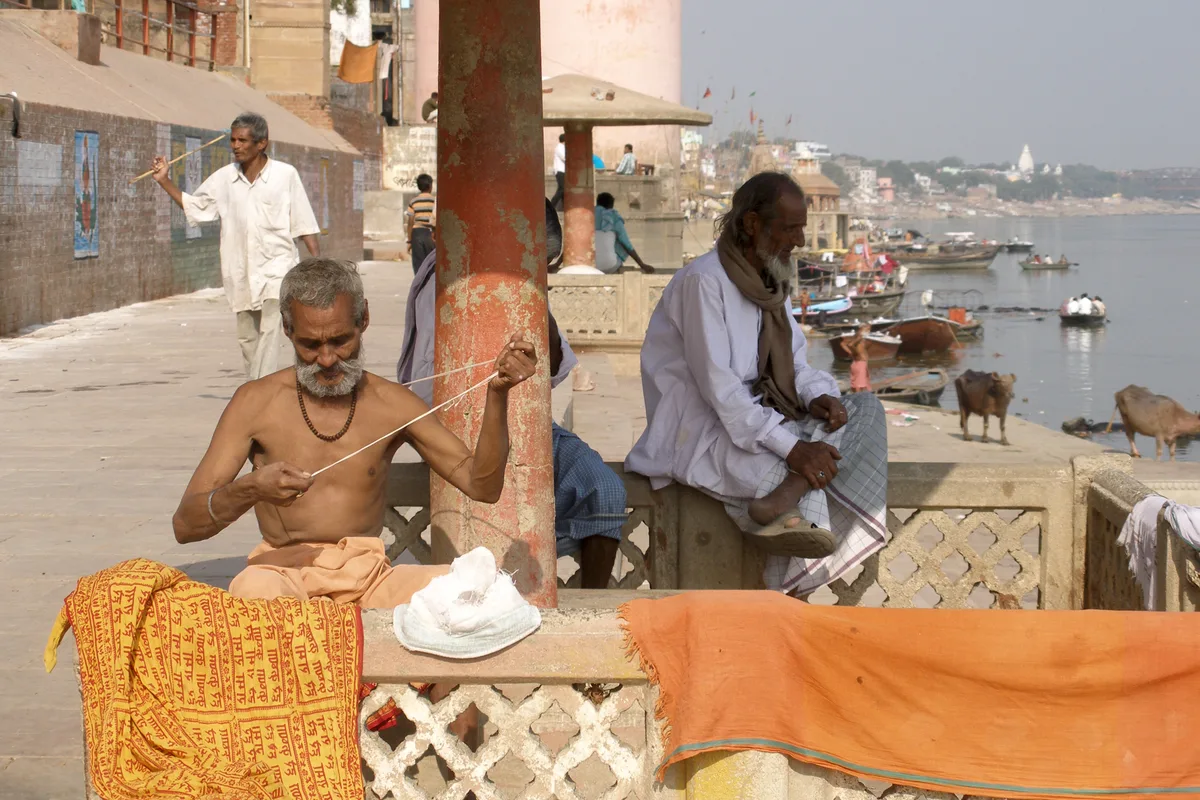
Varanasi Family Tour: Temples, Stories and the Ganga with Children
Varanasi's stories, sacred water, and sweetshops — an experience the whole family will remember
Varanasi with children works very well — the river, the boats, the lamps, the temples, and the overwhelming sensory richness of the city make a strong impression on children and adults alike. Some of what makes Varanasi famous (the cremation ghats, the intense crowds during major festivals) requires thoughtful planning with children, but the vast majority of the city's most significant experiences are entirely family-appropriate.
What Works Well for Families
Sunrise boat ride: Children of all ages respond strongly to being on the river at dawn — the scale of the ghats from the water, the activity on the banks, the boats and wildlife. A private boat gives the flexibility to stop, ask questions, and move at the family's pace.
Tulsi Manas Temple: This 1964 marble temple contains mechanical dioramas showing scenes from the Ramayana — pushbutton mechanical theatre of mythological stories. Children find these unexpectedly captivating, and the Ramayana stories are rich, age-appropriate, and central to Indian culture.
Durgakund / Durga Temple: The large tank next to the temple and the monkeys are reliably fascinating to children. Go early morning and keep an eye on bags and food.
Sarnath: The Buddhist site 12 km from Varanasi is excellent for families — open space, clear layout, the Dhamek Stupa (a large ancient circular tower), deer park, and a good museum. The story of the Buddha and his first sermon is an excellent conversation for any age. The Sarnath museum also has one of India's most famous ancient sculptures (the Ashoka capital lion — the original of India's national emblem).
Banarasi lassi and sweets: Eating in Varanasi — the lassi, the kachori, the mithai — is a strong sensory memory for children and an easy way to introduce the food culture.
What to Handle Thoughtfully with Children
The cremation ghats (Manikarnika and Harishchandra): These are active funeral sites. Whether to include them in a family visit depends entirely on the children's ages and the family's approach to discussing death. For families who have prepared children with context about Hindu beliefs around moksha and cremation, a brief and respectful viewing from a boat at distance can be deeply educational. For younger children or those without preparation, it is appropriate to simply skip these ghats.
Crowd management: Varanasi during festival periods, and the Kashi Vishwanath Temple complex on busy days, involves extremely dense crowds. With small children, early-morning visits (before 8 AM) substantially reduce density.
Heat: March–June is very hot in Varanasi (regularly 40°C+). Family visits are most comfortable October–February. If visiting in hot months, plan all activity before 11 AM and after 4 PM.
Suggested Family Itinerary (2 days)
Day 1: Sunrise boat ride (6:00–8:00 AM) → Dashashwamedh Ghat area, breakfast in the lane → Tulsi Manas Temple (mechanical Ramayana) → rest in hotel through midday → Durga Temple and Durgakund afternoon → Ganga Aarti from the ghat or boat (6:00–7:00 PM).
Day 2: Sarnath (morning, 8:00 AM–12:00 PM) — Stupa, museum, deer park → lunch at hotel → Old City heritage walk with guide (late afternoon, 4:00–6:30 PM) focusing on lanes, sweet shops, and a brief silk workshop visit.
Frequently Asked Questions
Is Varanasi safe for family travel?▼
Yes — Varanasi is safe for families. The primary challenges are crowd density during festivals and heat in summer. The old city lanes require some navigation care (uneven surfaces, motor vehicles in some lanes), but nothing that a family accustomed to Indian cities would find unusual. Spirit of Kashi guides accompany family groups and handle logistics throughout.