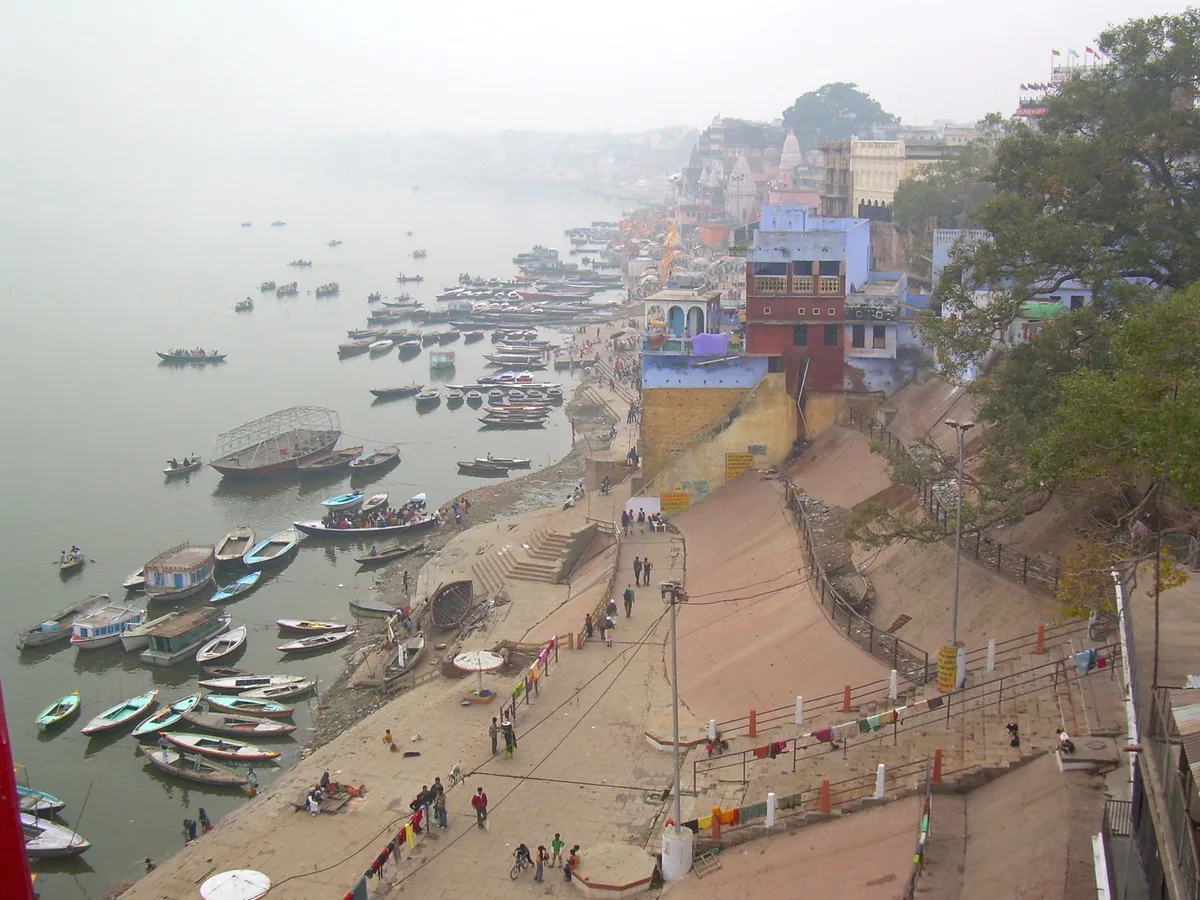
Varanasi Travel Guide
Everything you need to plan your visit to Kashi
Planning a visit to Varanasi? This hub collects every practical resource you need — itinerary plans for 1, 2, 3, and 5 days; how to reach Varanasi by air, train, and road; where to stay and which neighbourhoods suit which travellers; day trips to Sarnath and Ramnagar Fort; and essential safety, cultural, and practical tips for first-time and international visitors.
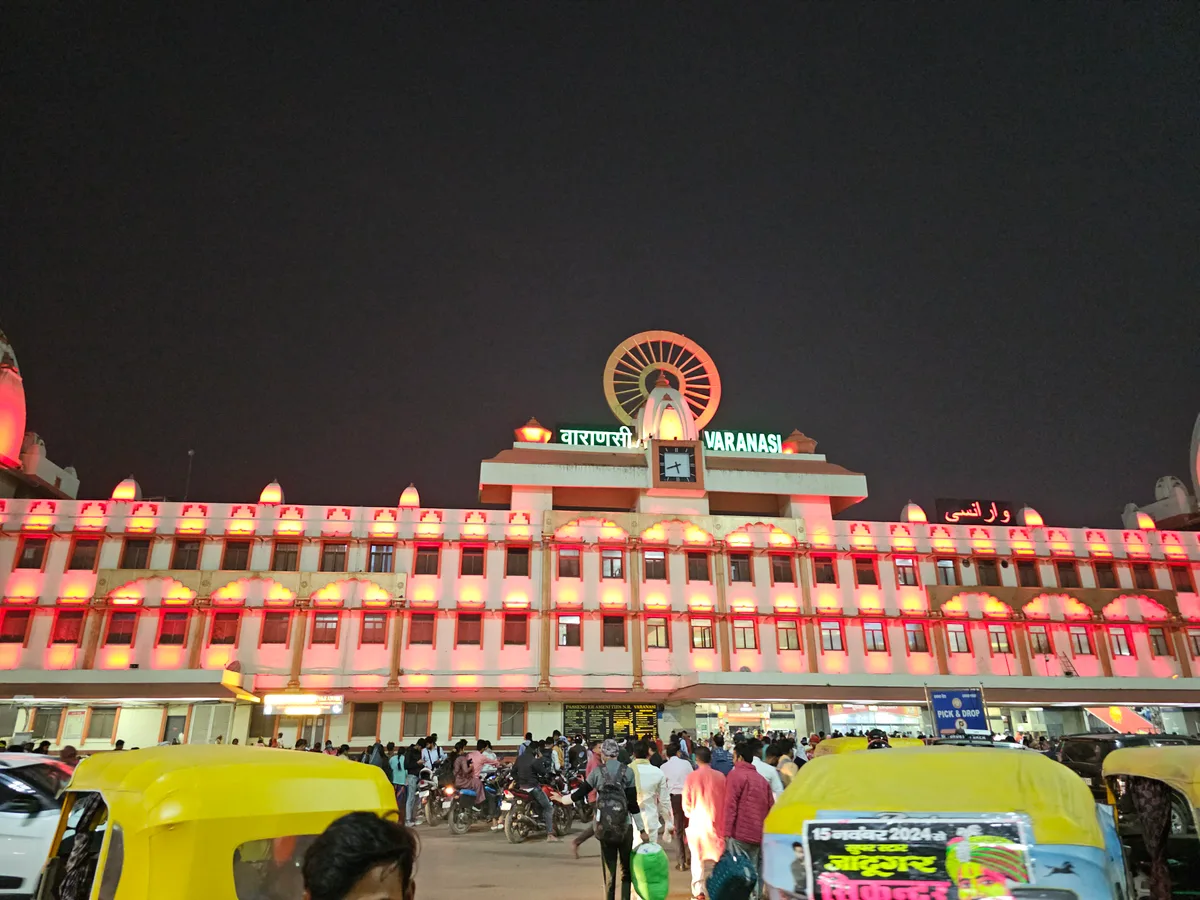
How to Reach Varanasi
Varanasi is well-connected to the rest of India by air, rail, and road. It is not always the easiest city to reach — the airport is small, the best trains book out months in advance during peak season, and road distances from major cities are long. But the journey is part of the experience, and with the right information, reaching Varanasi is straightforward.
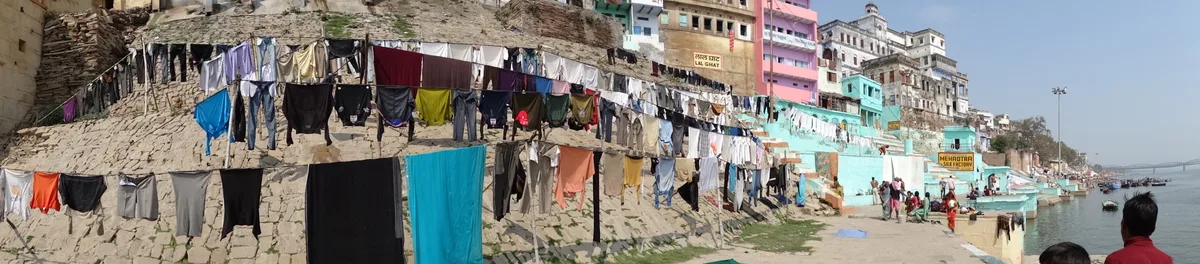
Varanasi Itinerary
No two travellers have the same amount of time in Varanasi, and the right itinerary depends entirely on what you have. A single day calls for ruthless prioritisation — the ghats at dawn, Kashi Vishwanath, the Ganga Aarti. Three days is enough for a complete first experience: sunrise on the river, Sarnath, the old city, the temple circuit. Five days opens up the city's deeper layers — the lesser ghats, the silk weavers' quarter, Ramnagar Fort, quieter mornings and slower evenings. Each guide below is written for a specific duration.
Varanasi 1-Day Itinerary
One day in Varanasi is not ideal — but it is far better than none. If you have a single day, this is the plan that covers everything that cannot be skipped: the Ganga at sunrise, Kashi Vishwanath Temple, the living lanes of the old city, and the Ganga Aarti at dusk. The schedule runs from 5 AM to 9 PM and leaves almost no slack. The key to making it work is starting before the sun rises and not stopping to improvise. A guide is strongly recommended for this plan — the old city lanes are disorienting for first-time visitors, and every wasted minute matters.
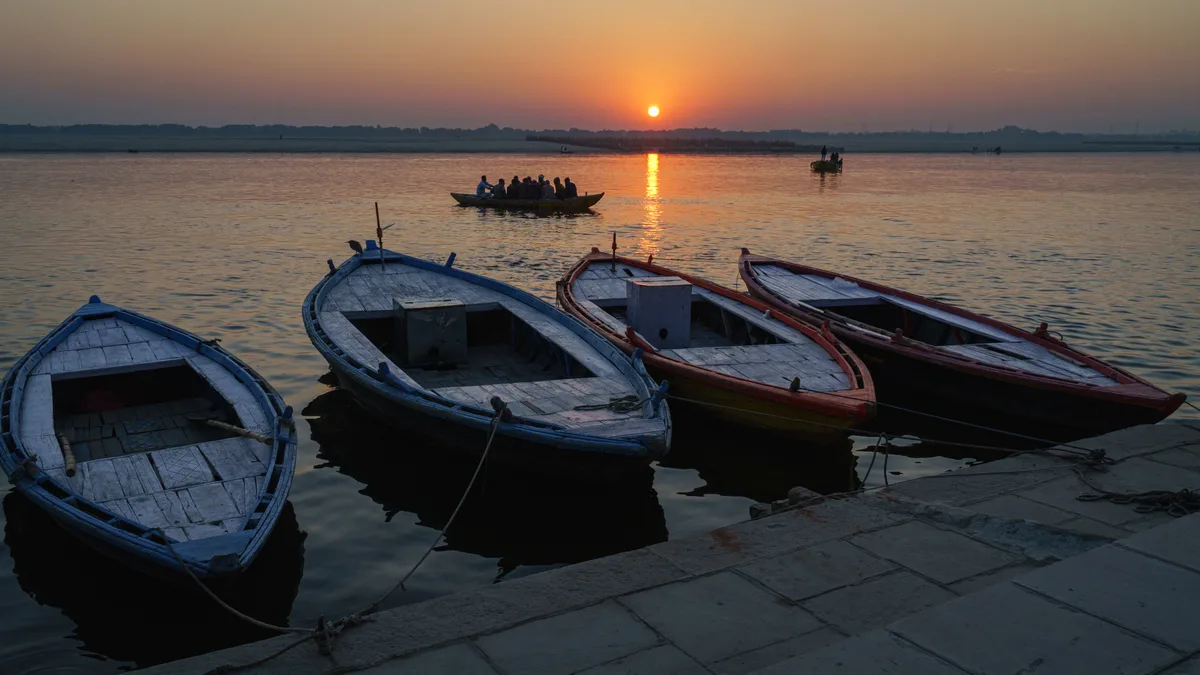
Varanasi 2-Day Itinerary
Two days in Varanasi allows a proper experience of the city's essential layers — without the pace of the one-day plan and without the commitment of three or more nights. Day 1 is the evening arrival: the Ganga Aarti as your first real encounter with the city. Day 2 is the full day: sunrise on the river, Kashi Vishwanath Temple, an old city walk, the temple circuit in the Durga Kund area, and a walk along the southern ghats. Sarnath does not fit comfortably into this plan — either skip it or substitute the Day 2 temple circuit with a Sarnath morning if Buddhism is your primary interest.
Varanasi 3-Day Itinerary
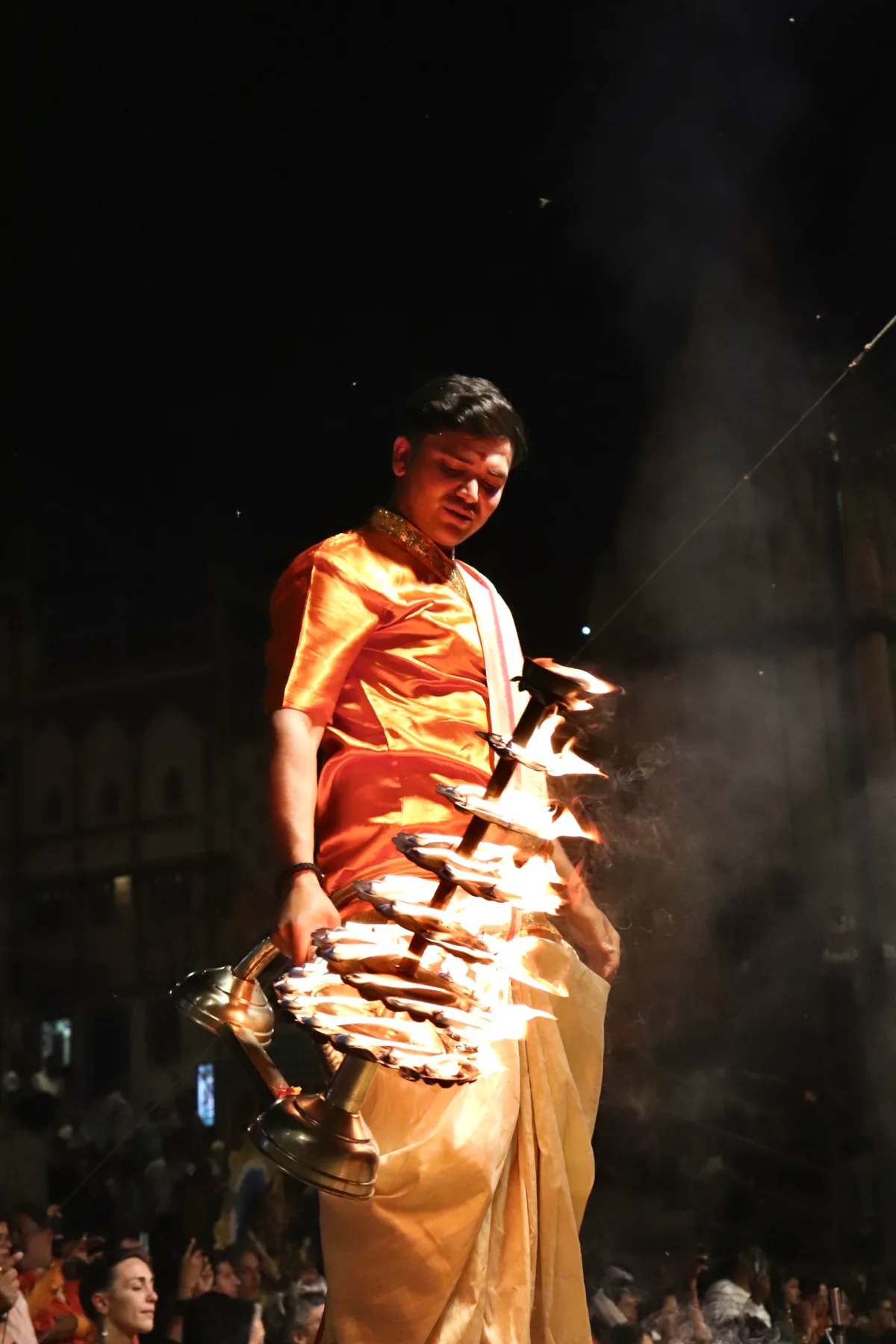
Three days is the recommended minimum for a genuine first experience of Varanasi. It allows time to see the ghats at dawn, stand inside Kashi Vishwanath Temple, visit Sarnath, walk the old city lanes, explore the southern temple circuit, eat your way through Varanasi's food culture, and sit at the river long enough for the city's extraordinary quality to settle in. This plan is designed for first-time visitors who want a complete experience — not a checklist, but a real encounter with Kashi.
Varanasi 5-Day Itinerary
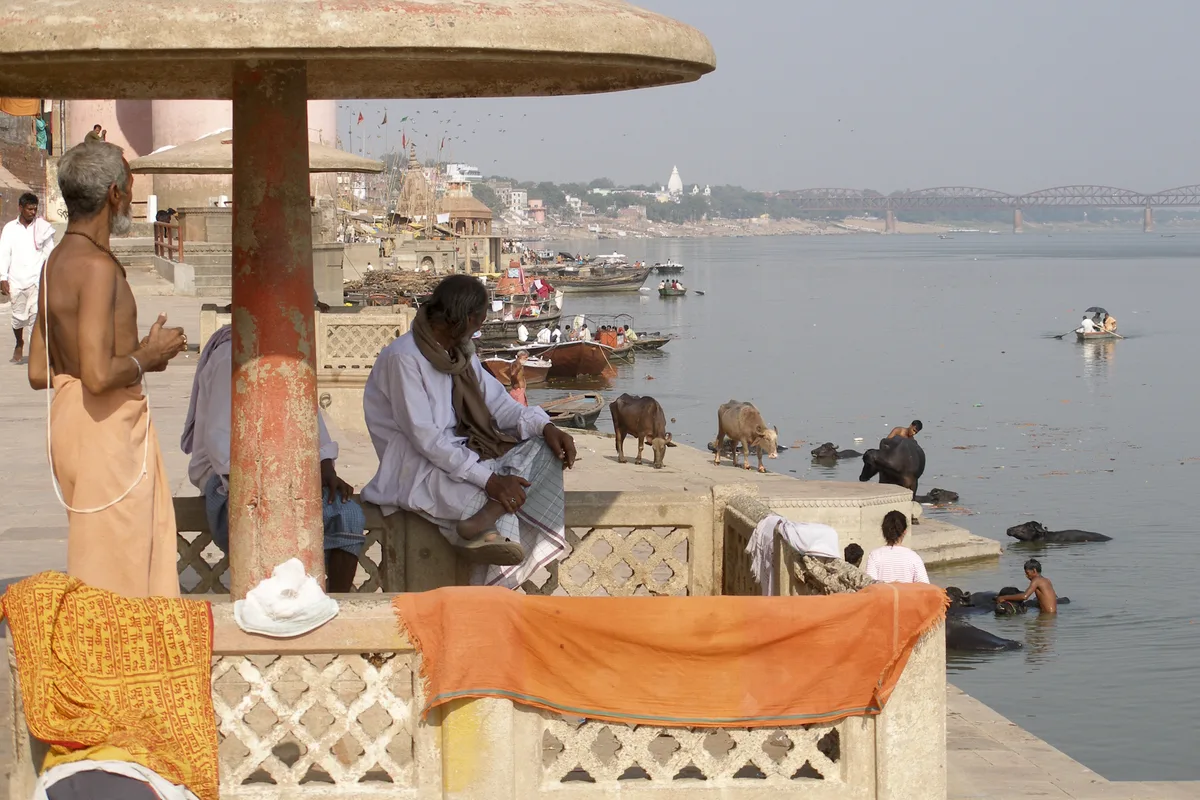
Five days in Varanasi is the difference between visiting a city and beginning to understand one. The essential content of the first three days is covered at a more relaxed pace. Days 4 and 5 open the city's less-visited layers: the 18th-century Ramnagar Fort on the opposite bank, the handloom silk-weaving workshops of the old city, the quieter northern ghats beyond Panchganga, and the slower Varanasi that exists off the main pilgrimage routes. This itinerary is designed for travellers who have come specifically for Varanasi — not as a stop on a North India circuit, but as the destination itself.
Varanasi Travel Tips
Varanasi rewards the prepared visitor. The old city is dense and disorienting, the temple rules are strict, the cultural codes differ from other Indian cities, and certain pitfalls catch almost every first-time visitor. This guide gives you the practical knowledge to navigate Varanasi confidently — so your attention can go to the city's extraordinary content rather than avoidable frustrations.
Varanasi for International Travelers
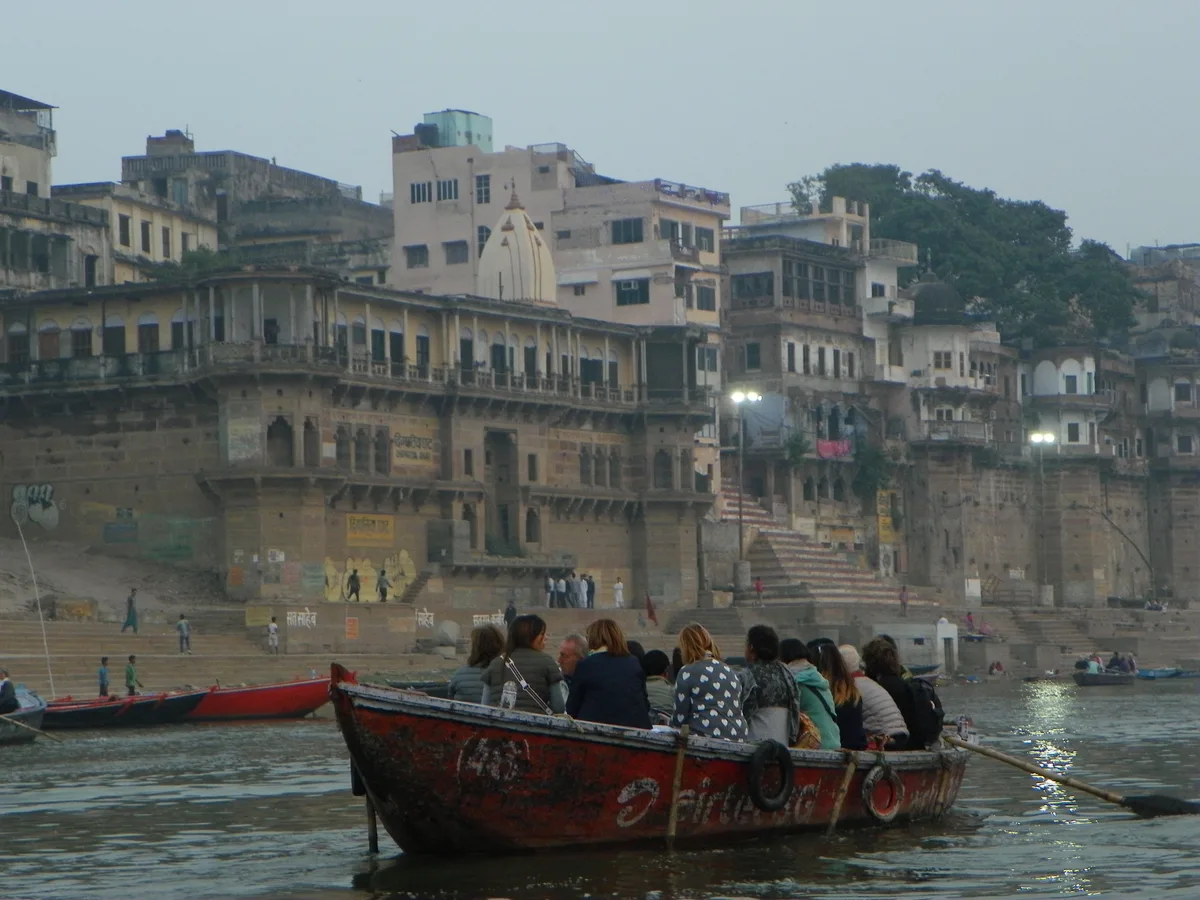
Varanasi welcomes visitors from around the world — the city has hosted foreign travellers, seekers, and scholars for centuries, and the infrastructure for international visitors is well established. This guide addresses the specific practical concerns of visitors arriving from outside India: visa requirements, currency, communication, cultural customs, and health precautions.
Where to Stay in Varanasi
Where you stay in Varanasi shapes the entire experience. The city divides into distinct areas — each with a different character, a different distance to the ghats, and a different daily rhythm. The guesthouses right on the water have an immediacy that no other location matches, but they come with noise and navigational complexity. The calmer southern end suits travellers who want quiet evenings; the central area suits those who want to walk to the Aarti in ten minutes. This guide explains the options by area, without naming specific properties — so you can choose based on what actually matters to your trip.
Sarnath Day Trip from Varanasi
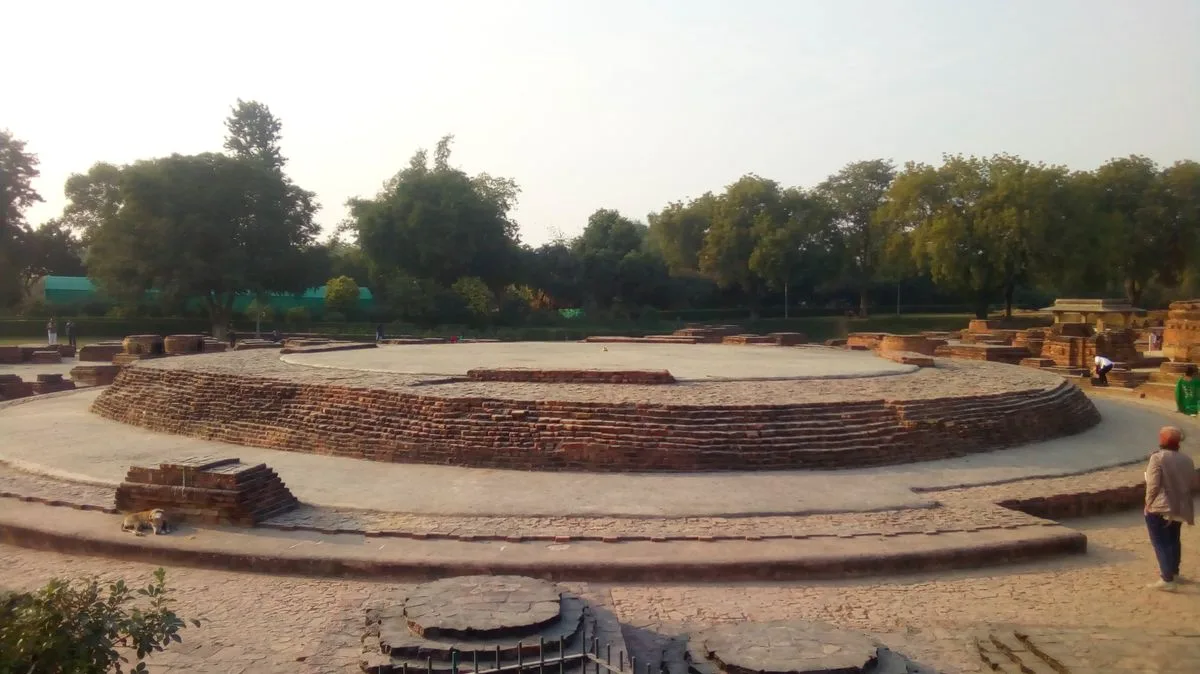
Sarnath is the most significant Buddhist site in India after Bodh Gaya, and it is 11 kilometres from Varanasi city centre. Most visitors combine it with their Varanasi trip as a half-day or full-day excursion — but how you structure the day matters. The Sarnath Archaeological Museum is the centrepiece (it holds the original Lion Capital of Ashoka, India's national emblem, and some of the finest Buddhist sculpture in the world), and it closes on Fridays. The Dhamek Stupa and the deer park are always open. This guide covers the practical logistics: how to get there, when to go, how long to spend, and how to fit Sarnath into a Varanasi itinerary.
Ramnagar Fort
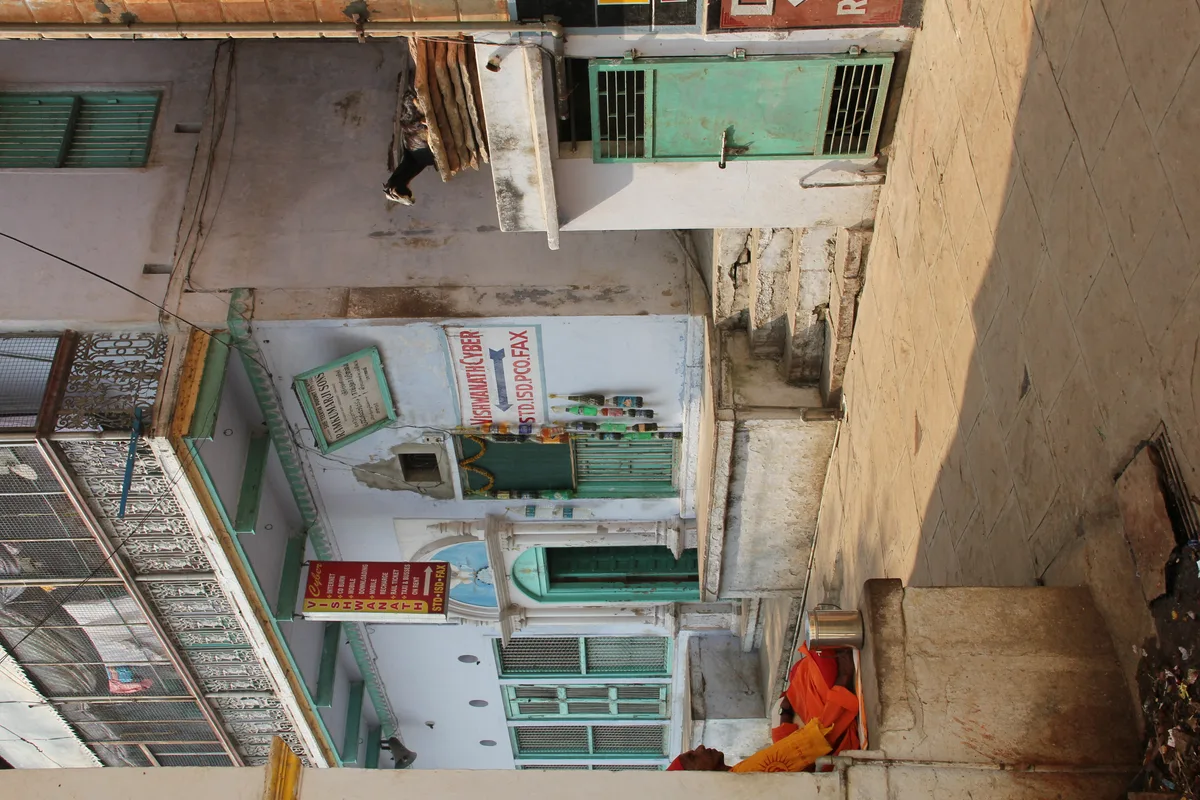
Ramnagar Fort sits on the eastern bank of the Ganga, directly opposite the southern end of the Varanasi ghat corridor. It has been the seat of the Kashi Naresh — the Maharaja of Varanasi — since the 18th century, and it remains so today. The fort is partly open to visitors and houses a museum of royal collections: weapons, palanquins, old clocks, carriages, howdahs, and archival material from the princely state. But Ramnagar's greatest significance to the people of Varanasi is as the stage for the Ramnagar Ramlila — a 31-day dramatic enactment of the Ramayana, conducted across the town and its outskirts each October, that has been performed without interruption for over a century and is considered one of the most culturally significant living traditions in North India.
Varanasi Solo Female Travel Guide
Varanasi is one of India's most-visited cities by solo female travellers, both domestic and international. It is also one of the most intensely stimulating, occasionally disorienting, and spiritually overwhelming places in the world. This guide is honest: Varanasi requires more awareness than many other tourist destinations, but it is absolutely manageable and deeply rewarding for solo women who arrive prepared. Hundreds of thousands of women travel to Varanasi independently every year — including pilgrims travelling alone in their seventies, foreign backpackers, and professional travellers. The key is realistic preparation, not fear.
Varanasi Tourist Scams Guide
Varanasi is one of the most spiritually profound cities on earth — and one of the more aggressively targeted tourist environments in India. The two facts coexist honestly. A city that receives millions of pilgrims and travellers each year attracts a proportion of people whose livelihood involves extracting money from visitors. This guide names the most common schemes, explains how they work, and suggests how to handle them — not to make you paranoid or to suggest that Varanasi is dangerous, but because awareness is the best and most relaxed defence. The overwhelming majority of interactions in Varanasi are genuine. Knowing the handful of patterns that aren't lets you enjoy everything else without suspicion.
Ayodhya + Kashi Pilgrimage Guide
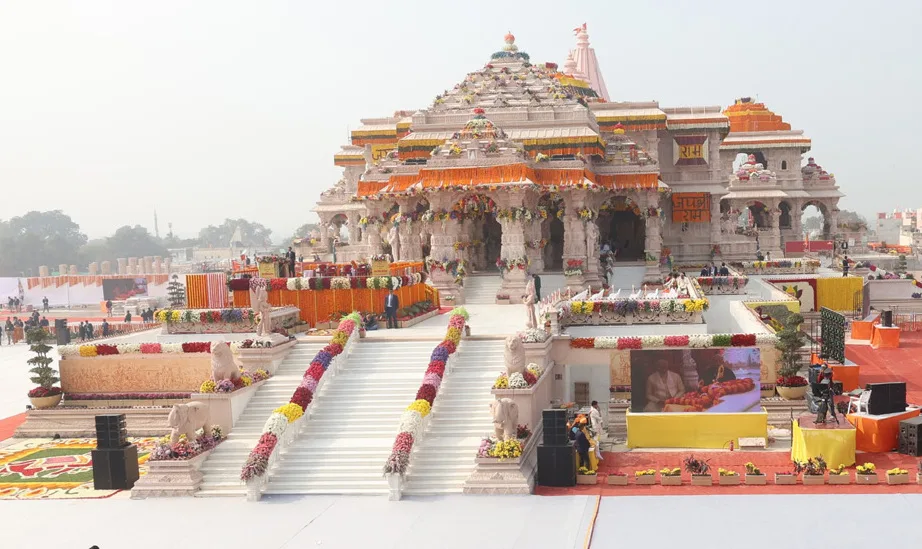
The pilgrimage from Ayodhya to Varanasi (Kashi) is one of the oldest and most spiritually charged journeys in Hinduism. Ayodhya — the birthplace of Lord Rama, home to the newly consecrated Ram Mandir — and Varanasi (Kashi) — the ancient city of Lord Shiva, home to the Kashi Vishwanath Jyotirlinga — sit at the centre of two of Hinduism's most sacred narratives. Since the Ram Mandir consecration in January 2024, the Ayodhya + Kashi circuit has become one of the most sought-after pilgrimage combinations in India. This guide covers what to see in each city, how many days to allocate, the recommended order of visit, and the logistics of moving between them.
Delhi–Ayodhya–Kashi Itinerary
The Delhi → Ayodhya → Kashi circuit is one of the most compelling travel routes in India: the national capital, Lord Rama's ancient birthplace, and Lord Shiva's eternal city — three distinct worlds within one journey. Since the Ram Mandir consecration in January 2024, this has become one of the most searched pilgrimage circuits in India, drawing both devout pilgrims and culturally curious travellers. This guide covers how to plan the circuit from Delhi, with transport options, day-by-day itinerary structures, and practical planning for each city.
Kashi Vishwanath Darshan Guide
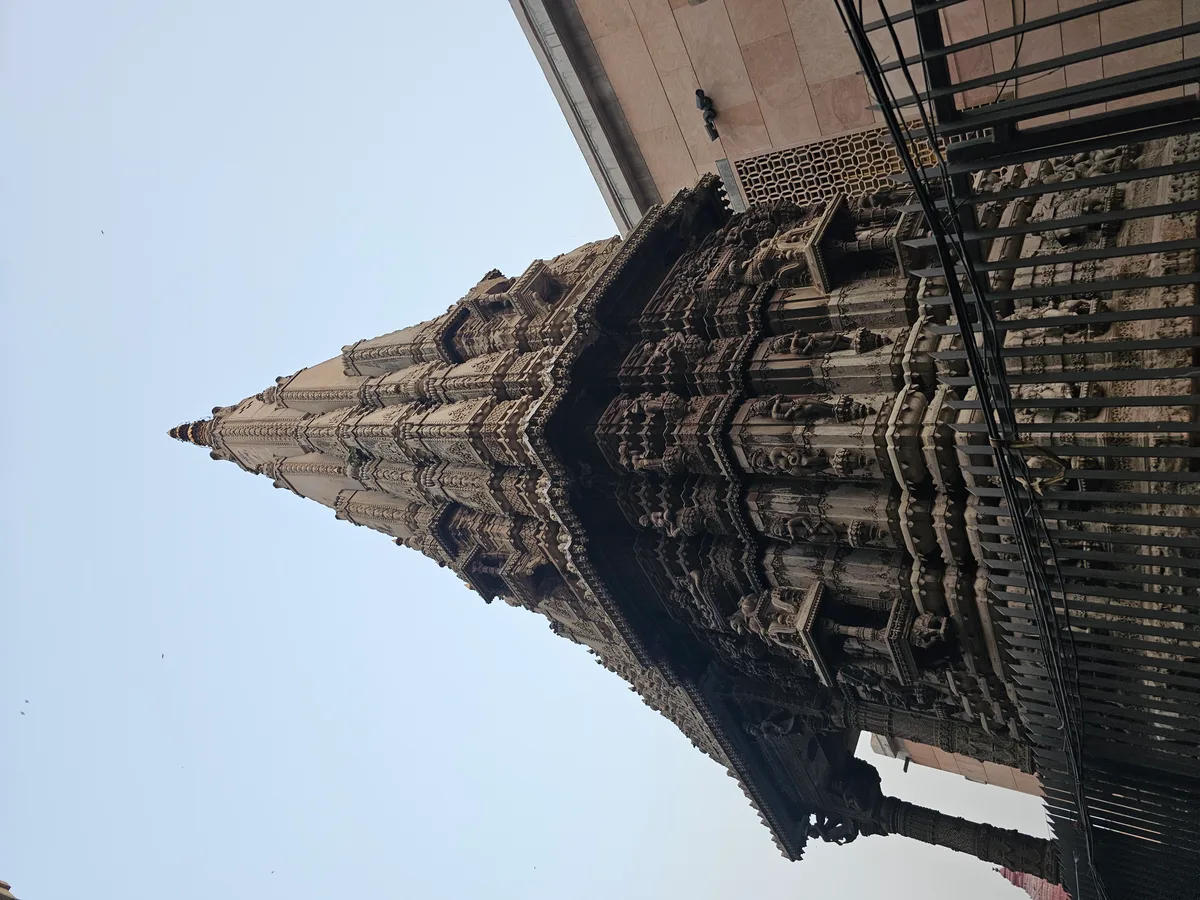
Kashi Vishwanath darshan is one of the most profound religious experiences in Hinduism — a direct encounter with the Jyotirlinga at the sacred centre of Kashi. But planning the darshan well matters: the temple draws hundreds of thousands of pilgrims, the queue can stretch for hours on peak days, and the entry procedures require specific preparation. This guide covers the daily darshan schedule, queue management, puja options, what to wear and carry, security checks, corridor navigation, and the after-darshan temple circuit that completes the full Kashi Vishwanath experience.
Travelling from a Specific City?
If you're planning your journey from Delhi, Mumbai, Bengaluru, Kolkata, or another major Indian city, see the city-specific journey guides — with transport options, station advice, and planning tips tailored to your origin.
How to Visit Kashi — Journey Guides by Origin CityVaranasi Quick Facts
- Official Name
- Varanasi (also Kashi, Banaras)
- State
- Uttar Pradesh, India
- Airport
- Lal Bahadur Shastri Airport (VNS), 26 km
- Main Railway Station
- Varanasi Junction (BSB)
- Best Season
- October–March (winter, comfortable)
- Avoid
- April–June (very hot, 40°C+)
- Currency
- Indian Rupee (₹); ATMs widely available
- Language
- Hindi, Bhojpuri; English in tourist areas
Plan Your Varanasi Trip
Spirit of Kashi offers complete Varanasi trip planning — transport, accommodation recommendations, guided tours, and day-by-day itinerary support.
Contact Us to Plan Your Trip