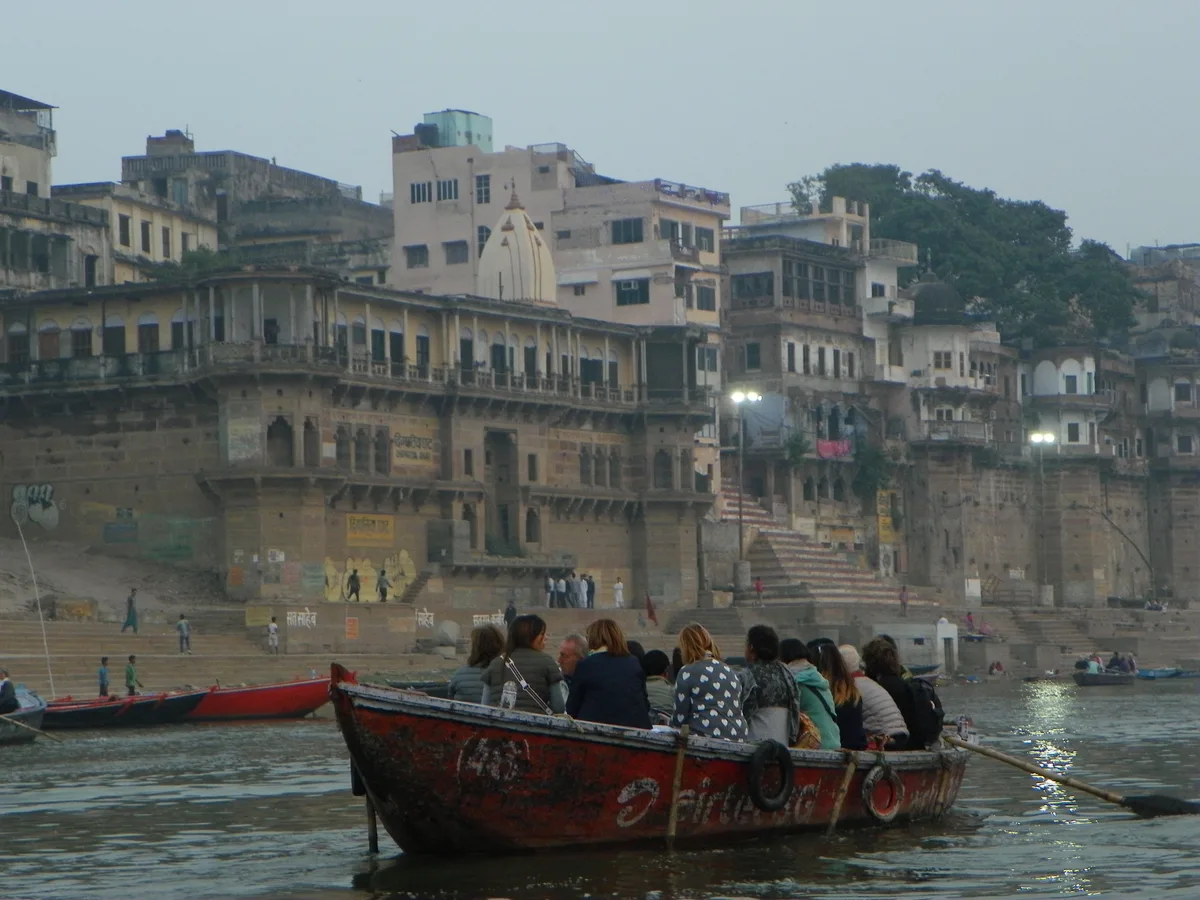
Varanasi for International Travelers: Complete Guide
Everything international visitors need to know before arriving in Varanasi
Varanasi welcomes visitors from around the world — the city has hosted foreign travellers, seekers, and scholars for centuries, and the infrastructure for international visitors is well established. This guide addresses the specific practical concerns of visitors arriving from outside India: visa requirements, currency, communication, cultural customs, and health precautions.
India Visa and Entry Requirements
Most foreign nationals require a visa to enter India. The e-Tourist Visa (e-TV) is available to citizens of more than 165 countries and can be applied for online at the official India e-Visa portal (indianvisaonline.gov.in). The e-visa is processed within 72 hours in most cases and is valid for 90 days (double entry), 1 year (multiple entry), or 5 years (multiple entry), depending on which category you apply for. Cost varies by nationality and duration.
Passports must be valid for at least 6 months beyond the intended departure date from India. Some nationalities still require a traditional visa from an Indian embassy — check your specific country's requirement before applying.
On arrival, Varanasi's Lal Bahadur Shastri Airport has immigration clearance — no need to clear immigration at another city first.
Currency, Banking, and Payments
The Indian currency is the Rupee (INR). Exchange rates fluctuate daily — check a live currency converter before travelling for the current INR rate against your home currency.
Currency exchange is available at the airport on arrival — the rates are worse than in the city but the convenience is worth it for immediate needs. In the city, currency exchange desks at major hotels, banks, and authorised forex dealers in the tourism areas offer better rates. Avoid unofficial money changers on the street — illegal and frequently dishonest.
ATMs are available throughout Varanasi but not in the narrow lanes of the old city. Draw cash at ATMs near Godaulia, Sigra, Lanka, or your hotel before heading deep into the old city. International debit/credit cards (Visa, Mastercard) work at most ATMs. Notify your bank before travelling about international use.
Cash is essential for most ghat-side transactions, auto-rickshaws, street food, boats, and temple offerings. Cards are accepted at major hotels, mid-range and upscale restaurants, and larger shops.
Communication: SIM Cards and Connectivity
India has excellent mobile connectivity in Varanasi. The three main operators are Jio (Reliance), Airtel, and Vodafone-Idea (Vi). For foreign visitors, a local SIM card is strongly recommended for the duration of your India stay — the cost is low (₹200–500 for a month's data and calls) and eliminates international roaming charges.
To purchase a local SIM, you need: your passport (original and photocopy), a passport photo, and your current address in India (your hotel address works). Jio and Airtel outlets are available near the airport, at the Cantt market area, and in major shopping areas in Varanasi. SIM activation takes 2–24 hours.
Free Wi-Fi is available at most hotels, many cafes (particularly in the Assi Ghat area), and at some government tourist areas. However, reliable Wi-Fi should not be counted on for navigation in the old city — a local SIM with data is more dependable.
Cultural Customs and Expectations
A few customs that apply specifically to Varanasi as a sacred Hindu city:
Shoes are removed before entering temples, homes, and often before stepping onto a ghat's prayer area. You will see shoes deposited at doorways everywhere — follow the same practice.
The cow is sacred and will be encountered everywhere in Varanasi — on roads, at ghats, in lanes. Do not push, hit, or otherwise disturb cows. Give way to them on the street.
Dress modestly in the temple and ghat areas. This is particularly important at Kashi Vishwanath and major temples.
Physical affection between couples in public (beyond holding hands) is frowned upon in the temple areas — the same standard that applies to Indian couples applies to foreign visitors.
Do not photograph cremations at Manikarnika or Harishchandra Ghat under any circumstances.
Accepting prasad (blessed food) offered at temples is a mark of respect. You are not required to eat it (allergies, dietary restrictions are understood), but a polite gesture of receiving it before setting it aside is appreciated.
Frequently Asked Questions
Is Varanasi safe for international tourists?▼
Yes — Varanasi is considered a safe destination for international tourists. The city has hosted foreign visitors continuously for centuries. The main practical risks are: stomach illness from contaminated food/water (use bottled water, eat at reputable places), pickpocketing in dense crowds (keep valuables secure), and the standard scams described in the travel tips guide. Spirit of Kashi guides are available to navigate the city safely and confidently.
Can I attend the Ganga Aarti as a non-Hindu?▼
Absolutely yes. The Ganga Aarti at Dashashwamedh Ghat is a public religious ceremony and welcomes visitors of all faiths and nationalities. There is no restriction on attendance. It is one of the most widely attended ceremonies in India, with both Indian and international visitors present every evening.