Where to Stay in Varanasi: Neighbourhood Guide for Every Traveller
The right location changes everything — a local's guide to Varanasi's neighbourhoods
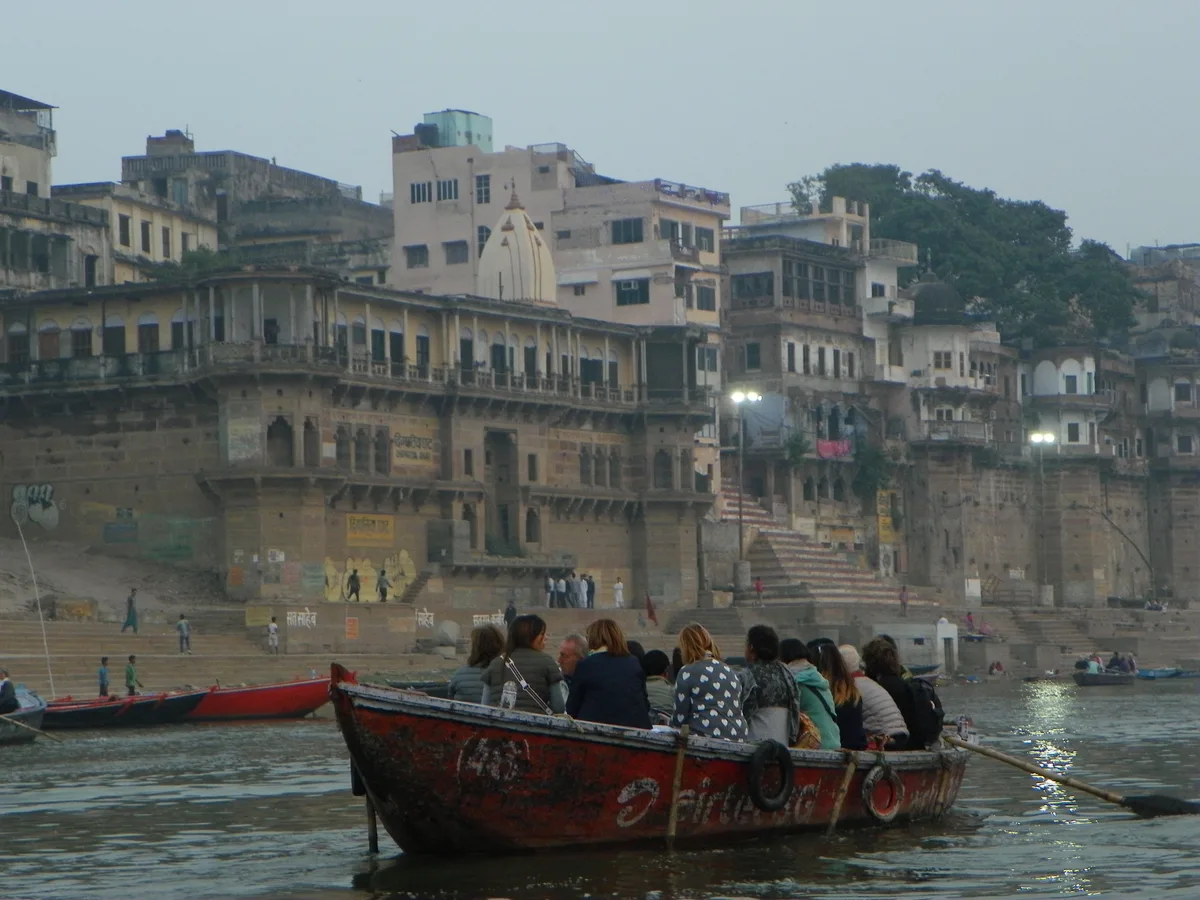
Where you stay in Varanasi shapes the entire experience. The city divides into distinct areas — each with a different character, a different distance to the ghats, and a different daily rhythm. The guesthouses right on the water have an immediacy that no other location matches, but they come with noise and navigational complexity. The calmer southern end suits travellers who want quiet evenings; the central area suits those who want to walk to the Aarti in ten minutes. This guide explains the options by area, without naming specific properties — so you can choose based on what actually matters to your trip.
Assi Ghat Area: The Recommended Base for Most Visitors
Assi Ghat marks the southern end of the main ghat corridor. The neighbourhood around it — extending a few streets back from the river — has evolved into Varanasi's most comfortable area for visitors who want proximity to the ghats without being in the most congested part of the old city.
What the area offers: quiet lanes behind the ghat (by Varanasi standards), a good concentration of cafes and restaurants popular with both tourists and students from nearby Banaras Hindu University (BHU), a range of accommodation from simple guesthouses to mid-range boutique-style properties, and easy auto-rickshaw access to the rest of the city.
The ghat itself — Assi Ghat — is an active place of worship with a morning ceremony (yoga and puja), good boat access, and a pleasant bank for sitting. It is not the most spectacular ghat in Varanasi, but it is a livable one.
For travellers staying 3 or more days, the Assi Ghat area is the most practical base: close enough to reach the central ghats in 15 minutes by auto, quiet enough to sleep reasonably well, and walkable to good food without needing transport.
Distance to Dashashwamedh Ghat: 15–20 minutes by auto-rickshaw.
Central Ghats Area (Dashashwamedh, Godaulia): Maximum Proximity
The stretch between Godaulia junction and the central ghats — including the lanes leading to Dashashwamedh Ghat — is the most intensely active part of Varanasi. Staying here puts you 5–10 minutes' walk from the Ganga Aarti, from Kashi Vishwanath Temple, and from the heart of the old city.
The trade-off is noise and density. The lanes are narrow, motor vehicles stop at Godaulia and the streets beyond are walked by everyone — pilgrims, tourists, residents, cows, sadhus, delivery workers, and children. The soundscape begins before 5 AM and continues late into the night. For travellers who sleep lightly or need quiet, this location requires good earplugs.
Guesthouses in this area range from extremely basic (a room in a converted old haveli with a shared bathroom and a view of the river) to more established properties on the lanes just behind the ghats. The better guesthouses in this area are genuinely atmospheric — waking up to the river, the boats, and the morning ceremony immediately outside is an experience that the Assi Ghat area cannot match.
This location is best for: travellers who prioritise access to the Ganga over comfort and quiet; those staying only 1–2 nights; pilgrims for whom proximity to Kashi Vishwanath is the priority; and travellers who specifically want the full immersion experience of the old city.
Old City Interior (Lane Guesthouses): Deep Immersion
Some of Varanasi's most characterful accommodation is in the interior of the old city — in converted havelis, in houses on narrow lanes, or in properties accessed only on foot through 2-metre-wide alleys. These are not for everyone.
The advantages: genuine immersion in the daily life of the old city; extraordinary architecture (many havelis have rooftop terraces, internal courtyards, and carved wooden features); proximity to markets, temples, and local life that is impossible to find from a more comfortable location.
The challenges: no vehicle access (all luggage must be carried on foot from the nearest motor-vehicle junction); navigation is genuinely difficult, even for the locals — your guesthouse will likely meet you at a junction and walk you in; the lanes are shared with cows, motorcycles, pilgrim crowds, and the full activity of the city at all hours.
For a first-time visitor, an interior old city guesthouse on a 1–2 night visit is an experience worth having. For a 4–5 day visit, the daily friction of navigation and noise typically outweighs the immersion benefit.
Cantonment Area: Comfortable, Removed
The Cantonment (Cantt) area of Varanasi — around Varanasi Junction railway station and the Civil Lines — is the more conventional city: wider roads, larger hotels, shopping areas, and vehicle access everywhere. It is 5–7 kilometres from the ghats.
Accommodation here tends to be mid-range to upscale hotels of the standard India-hotel type: clean rooms, air conditioning, reliable hot water, parking, restaurants on site. The kind of property that appears on major booking platforms with consistent reviews.
The trade-off is distance from the ghats. Every visit to the river requires an auto-rickshaw (15–25 minutes). For travellers who have already been to Varanasi and want a comfortable base without the old city intensity, or for those with limited mobility who cannot walk the ghat steps comfortably, the Cantonment area is the practical choice.
For first-time visitors specifically for the ghats and temples, the Cantonment area adds unnecessary friction.
How to Choose: Questions to Ask Yourself
Is this your first time in Varanasi? → Assi Ghat area or central ghats area, based on your tolerance for noise.
Are you a light sleeper? → Assi Ghat area over the central ghats. Avoid the lane guesthouses directly on the river unless you have good earplugs.
How many nights are you staying? → For 1–2 nights: central ghats area maximises proximity. For 3+ nights: Assi Ghat area is more sustainable.
Is pilgrimage your primary purpose? → Central ghats area or old city interior, for proximity to Kashi Vishwanath and Dashashwamedh.
Are you travelling with elderly relatives or young children? → Cantonment area or Assi Ghat area — the old city interior is physically demanding.
Do you need vehicle access to your accommodation? → Cantonment area or Assi Ghat area. The central ghats and old city interior are pedestrian-only beyond Godaulia junction.
Frequently Asked Questions
Should I stay on the ghats in Varanasi?▼
Staying directly on the ghats — in a guesthouse whose windows face the river — is one of the great India travel experiences. Waking to the sound of the river and the morning ceremony, watching the sunrise light on the Ganga from your room: this is genuinely unlike anywhere else. The cost is noise (the ghats begin before 5 AM and the evening Aarti brings large crowds to the waterfront) and the physical complexity of old-city navigation. For a 1–3 night visit where immersion is the priority, it is worth it.
Is the Assi Ghat area safe for solo travellers?▼
Yes. The Assi Ghat area is one of the safer parts of Varanasi for independent travellers — it has good pedestrian flow, a visible traveller community, and the presence of BHU students gives it a more mixed, less tourist-market character. Solo female travellers consistently report this as one of the more comfortable areas. The usual precautions for any Indian city apply: stay alert in quiet lanes after dark, trust your instincts.