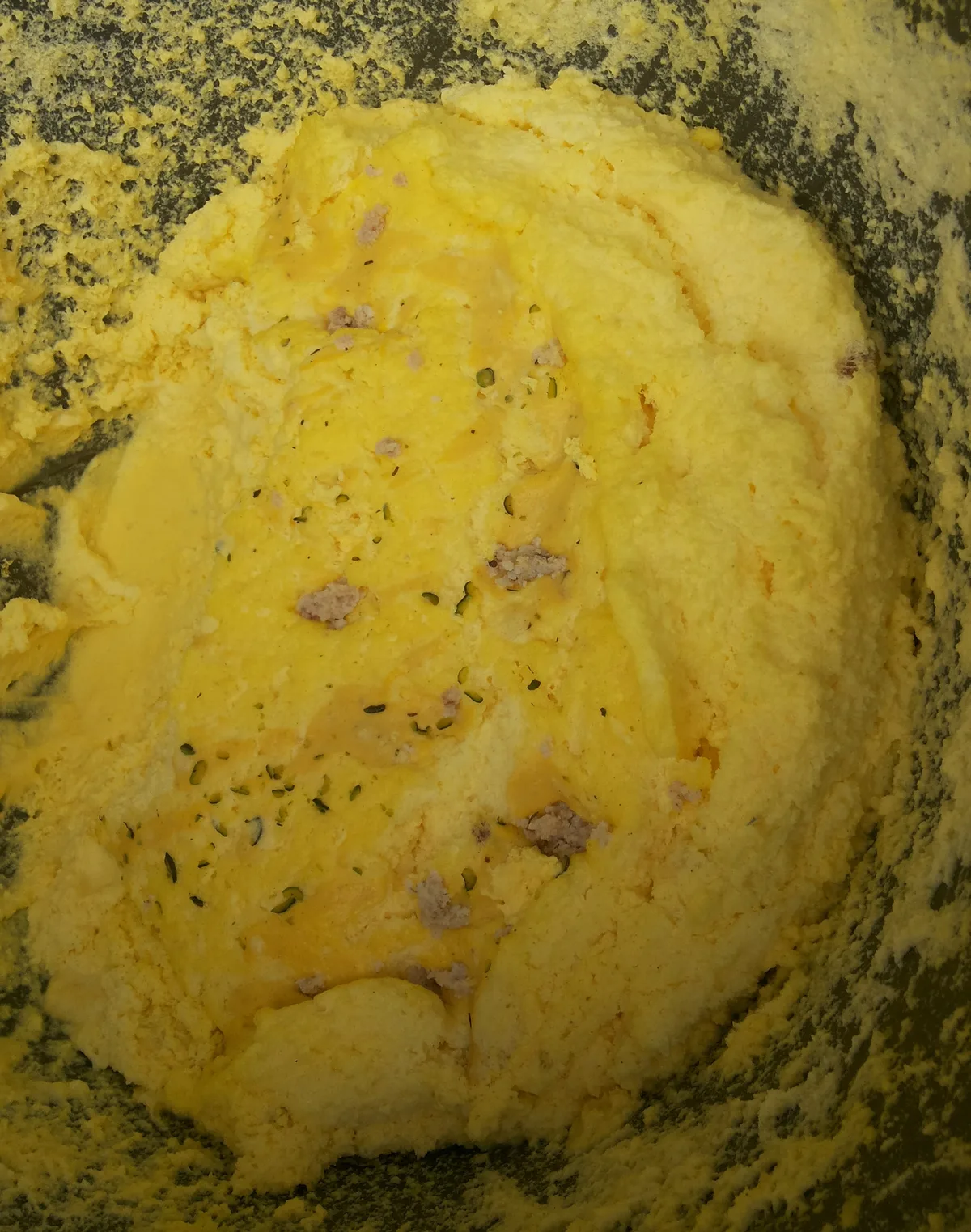
Malaiyo Varanasi: The Winter Foam Dessert You Can Only Eat Here
Spun from winter dew — the seasonal foam dessert found only in Varanasi
Malaiyo is perhaps the most unusual food in Varanasi — and one of the most unusual in India. A light, airy, saffron-yellow foam made from milk and morning dew, it is available only in the winter months (October through February) when the cool overnight temperatures and morning fog create the precise conditions needed for its creation. Malaiyo looks like nothing else, tastes like nothing else, and cannot be made anywhere outside of Varanasi's specific winter microclimate — or so the traditional makers claim.
What Malaiyo Is and How It's Made
The preparation of malaiyo begins the evening before. Fresh whole milk is brought to a boil, then flavoured with saffron, cardamom, and sugar. The hot milk is then poured into large, flat earthenware vessels and left outside overnight — exposed to the cold winter air and, crucially, to the morning dew and fog that forms in Varanasi between October and February.
Through the night, the milk is whipped continuously (or the cold and condensation does the work, depending on the maker's technique). By early morning, the milk has been transformed: the cold, the dew, and the churning have incorporated air into the liquid, creating a foam — not a mousse or a cream, but something lighter than either, with a delicate saffron flavour and the scent of the winter morning still in it.
It is then served in small kulhad (clay pots) topped with a thin, concentrated layer of malai (cream), sometimes garnished with chopped pistachios and dry rose petals. Each serving weighs almost nothing.
Why You Can Only Get Malaiyo in Winter
The specific conditions required for malaiyo — overnight temperatures between 8–15°C, high winter humidity, and Varanasi's characteristic morning fog — are only present between October and February. Once winter ends, the malaiyo makers pack up their equipment until the following October.
This seasonality is part of what makes malaiyo special. Unlike most street foods, you cannot simply arrive in Varanasi in April and eat malaiyo — it does not exist in April. The experience is tied to the season: the cool morning air, the mist on the Ganga, the warmth of the kulhad in your hands, and the impossibly light foam that barely makes contact with your tongue before it dissolves.
Where to Find Malaiyo
Malaiyo vendors operate in the early morning — the foam is at its best between 6 AM and 9 AM, and degrades as the day warms. The best places to find malaiyo: the lanes near Dashashwamedh Ghat, the area around Godaulia, and several dedicated vendors in the old city near Chowk.
The foam is delicate enough that it cannot be transported far — you eat it where it is made, or within minutes of receiving it. Price is typically ₹30–80 per serving. Look for vendors with rows of earthenware pots set out in the early morning, and a small crowd of locals gathering around them.
Frequently Asked Questions
What does malaiyo taste like?▼
The flavour is delicate saffron-milk, sweet and slightly floral from cardamom, with a faint rose fragrance from the garnish. The texture is the most distinctive element — lighter than whipped cream, more substantial than foam, almost like eating cold, flavoured morning air. It is not filling; it is an experience of texture and flavour at their most gentle.
Can you make malaiyo at home?▼
Replicating it outside Varanasi's specific winter conditions is extremely difficult. Some food scientists have attempted to describe the process as a combination of cold condensation and mechanical agitation incorporating air into fat-rich milk. The Varanasi makers claim the dew and fog are irreplaceable ingredients. It has become something of a folk science — the exact technique is guarded and passed through generations of makers.