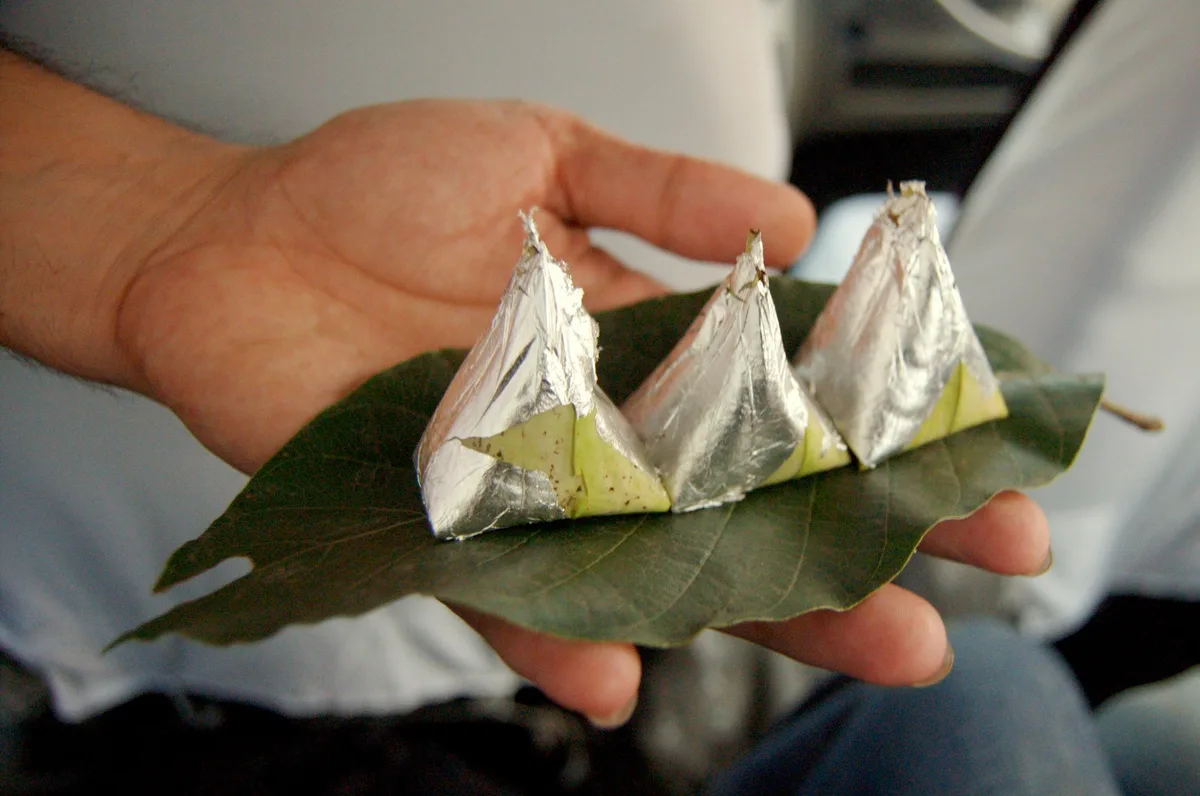
Banarasi Paan: The Most Famous Betel Leaf in India
India's most celebrated paan — Varanasi's living culinary art form
Banarasi Paan occupies a unique position in Indian culinary culture — simultaneously a digestive, a social ritual, a mild stimulant, and a form of edible art. The city's paan-makers (panwaari) are famous across India for the quality of the betel leaf, the precision of their preparation, and the range of fillings they offer. A post-meal Banarasi paan is not merely an end to a meal — it is a statement about the quality of life available in this ancient city.
What Paan Is and How It's Made
Paan consists of a fresh betel leaf (paan ka patta) filled with various ingredients and folded into a triangular or conical shape. The betel leaf itself has a mild, peppery flavour and is considered to have digestive and mildly stimulant properties. The filling determines the character of the paan.
The basic elements common to most Banarasi paan: kattha (catechu paste, which gives the characteristic red colour in the mouth), chuna (slaked lime paste in tiny quantities), and supari (betel nut, sliced or powdered, in varying quantities). The sweetening elements — which define Banarasi paan's fame — include gulkand (rose petal jam), coconut (fresh or dried, sometimes sweet), fennel seeds (saunf), cardamom (elaichi), and mukhwas (a mixed mouth freshener). Premium versions add silver leaf (varq), mava (condensed milk solids), and various expensive flavourings.
The Main Types of Banarasi Paan
Meetha Paan ('sweet paan') is the type Varanasi is most famous for — heavy on gulkand, coconut, fennel, and other sweet elements, with minimal or no tobacco or supari. This is the version recommended for first-timers and those who want the flavour experience without stimulants.
Maghai Paan uses the premium Maghai betel leaf, grown in the Magahi region of Bihar. These leaves are larger, glossier, and have a superior flavour. Maghai paan costs significantly more than regular paan and is sought after by connoisseurs.
Saada Paan ('plain paan') uses the traditional combination of betel leaf, kattha, chuna, and supari without the sweet additions. This is the more stimulating version and is an acquired taste.
Fire Paan (a modern innovation) involves the panwaari applying fire to the paan before giving it to the customer — a theatrical effect that burns off some of the camphor content and is more spectacle than substance.
Paan Culture and Where to Find the Best
Paan-eating is woven into Varanasi's social fabric in a way that is difficult to explain to outsiders. After a meal, after a gathering, after a business transaction, after a religious observance — paan is the punctuation mark. The famous red-stained walls and gutters of old Varanasi are testimony to this habit's pervasiveness.
The most celebrated paan shops are in the lanes of old Varanasi — near Godaulia, in Vishwanath Gali, in Chowk area. Many have been in operation for multiple generations and are considered institutions. Ask locals for the recommendation of the day — paan loyalty in Varanasi is intensely personal.
The best time for paan is after lunch or dinner. Budget ₹20–100 for a single paan depending on variety; premium Maghai paan with silver leaf can cost ₹200+.
Frequently Asked Questions
Is Banarasi Paan safe for foreigners to eat?▼
Meetha paan (sweet paan without tobacco) is safe and widely enjoyed by international visitors. The betel leaf, gulkand, coconut, and fennel are all normal food ingredients. Tobacco-containing paan should be approached cautiously if you are not accustomed to nicotine. The supari (betel nut) in large quantities is best avoided. A good panwaari will adjust the recipe for your preference.
Will paan stain my teeth permanently?▼
No — the red staining from kattha and paan is temporary and washes off. It is not permanent enamel staining. Long-term daily paan chewing can discolour teeth over years, but a single paan on a visit to Varanasi will leave you with temporarily red lips for a few hours at most.