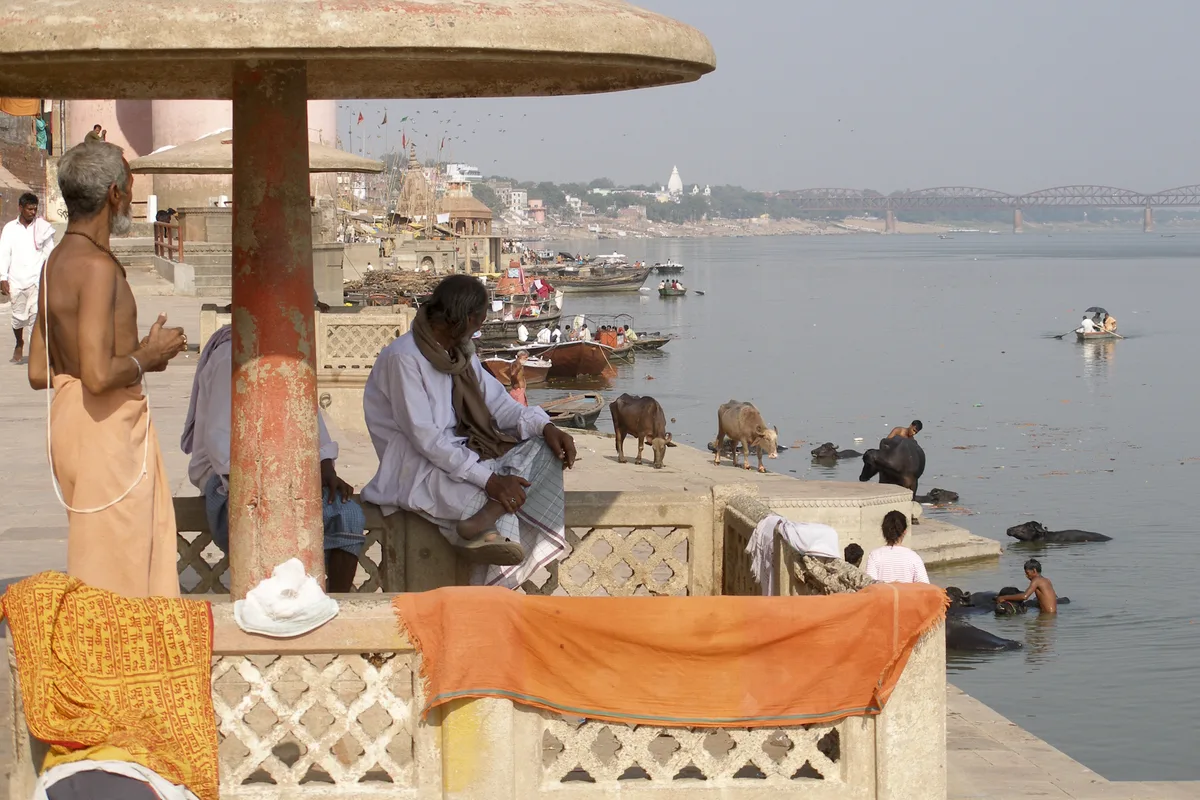
Kashi Pilgrimage Tour: The Sacred Circuit of Varanasi
Kashi is the tirtha of tirthas — the pilgrimage circuit of the city itself is a complete spiritual practice
Varanasi is not simply a place with some important temples — it is the most sacred tirtha (pilgrimage site) in the Hindu world, a place where the entire city constitutes a single giant act of sacred geography. Several distinct pilgrimage circuits have been formalised within and around the city, each encoding a particular spiritual intention. For pilgrims, completing these circuits is the purpose of the visit. For cultural visitors, understanding what these circuits are and what they mean reveals a layer of the city invisible to those who simply visit its most famous sights.
The Panchkroshi Yatra
The Panchkroshi Yatra is the outermost and most complete pilgrimage circuit of Kashi — a circumambulation of the sacred city that covers 88 km and visits 108 shrines over 5 days. 'Panch kroshi' means 'five kos' (a kos being a unit of approximately 3 km) — the circuit traces the historic outer boundary of the sacred city.
The Yatra is walked — pilgrims travel the entire circuit on foot, staying at dharmashala rest houses at five night-stops along the way. The route passes through villages that have maintained rest facilities for the Yatra's pilgrims for centuries, and the 108 shrines visited along the way include temples, ghats, water tanks, and sacred trees.
For those who complete it, the Panchkroshi Yatra is considered to grant the merit of visiting all the tirthas in the world. Traditionally undertaken in Kartik (October–November) or Phalgun (February–March), the Yatra is a significant physical undertaking — proper preparation and, ideally, a guide who knows the route and the significance of each stop is essential.
The Panchatirthi and Daily Pilgrimage Circuit
The Panchatirthi ('five tirthas') is a one-day circuit of the five most sacred bathing points in Varanasi, performed by pilgrims who cannot undertake the full Panchkroshi. The five tirthas are: Assi Ghat (confluence of Assi with Ganga), Dashashwamedh Ghat (most sacred bathing ghat), Adi Keshava Ghat (confluence of Varuna with Ganga), Panchganga Ghat (five rivers), and Manikarnika Ghat.
A pilgrim undertakes a sacred bath (snan) at each of the five, ideally completing all five in a single day (typically before noon). This circuit distils the essential sacred geography of the city into a single intense pilgrimage day.
A more focused version — the Chaturvedi Parikrama, or circuit of the Vishwanath Temple — involves circumambulating the Kashi Vishwanath Temple complex three times as part of a darshan visit.
The Temple Circuit: Ashta Bhairava and Panch Kedar
Within the old city itself, several networks of linked temples form mini-circuits that pilgrims complete together:
Ashta Bhairava ('eight Bhairavas'): Kal Bhairav is the Kotwal (police chief) of Kashi, and has seven other Bhairava forms distributed across the city. Visiting all eight is believed to secure Bhairav's protection and ensure that any sin accumulated in Kashi is properly processed before the visitor leaves.
Panch Kedar ('five Kedar shrines'): A circuit of five Shiva shrines within the city that, together, replicate the spiritual merit of visiting the five Panch Kedar temples in the Himalayas. The Kedarnath Temple at Kedar Ghat is the anchor of this circuit.
Dwadasha Jyotirlinga: Kashi Vishwanath is one of the twelve Jyotirlingas of India. A full Jyotirlinga pilgrimage encompasses all twelve, but many pilgrims visit Kashi Vishwanath as the central Jyotirlinga within a broader north India temple circuit.
Frequently Asked Questions
Can non-Hindu visitors participate in the pilgrimage circuits?▼
The ghats and most outdoor rituals are accessible to all visitors regardless of faith. Several temples within the circuits restrict entry to Hindus — notably Kashi Vishwanath Temple itself. The Panchkroshi Yatra is a religious circuit but its route passes through public roads and villages; a respectful cultural observer can walk the route with a knowledgeable guide.